
Psychological Profiles of America’s Uninsured and the Messages that Work for Them
Getting uninsured Americans to purchase health insurance from the country’s public health insurance exchanges is a win-win. Insurance helps people get and stay healthy along with protecting their finances. It also cuts a “hidden healthcare tax” by reducing uninsured Americans’ reliance on the emergency room – the most-expensive health care option there is. Hospitals are required to treat people regardless of insurance status and it’s those non-covered costs that drive up the cost of healthcare for everyone.
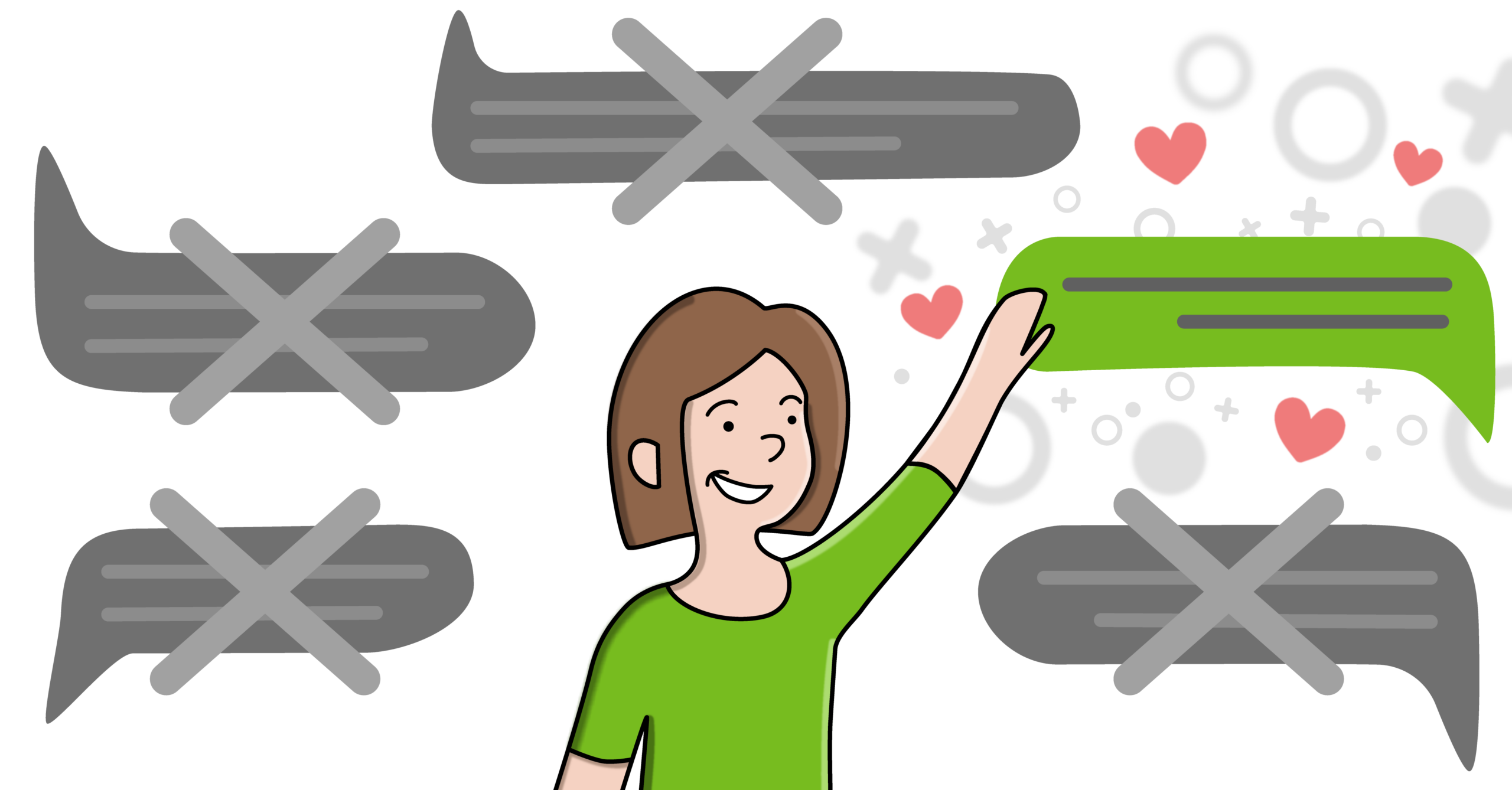
So what can organizations do to help get people insured during this fall’s open enrollment period? Instead of pushing generic messages that don’t connect or move the needle with the audience – address what actually will. Speak to the underlying “psychographics” that drive decision-making.
Marketing for Change has more than a decade of experience conducting consumer research for federal and state health insurance exchanges. This year, we also ran our own national study to understand uninsured consumer mindsets ahead of the 2026 open enrollment period. In two previous posts, we discussed:
- How to break through the cost barrier (the driving factor this year)
- How to increase the effectiveness of your outreach by understanding where consumers are at in their decision-making journey
But there’s a third part to the equation – what marketers call psychographics. We identified five key psychological profiles of America’s uninsured. Uninsured Americans are not one audience. Different groups bring different beliefs, values and assumptions to the health insurance decision process – and need different messaging for effective outreach.
Uninsured Americans are not one audience. Different groups bring different beliefs, values and assumptions to the health insurance decision process – and need different messaging for effective outreach.
Using cluster analysis of our survey data, we identified five unique subgroups of uninsured adults – each with their own messaging needs.
- Insurance Super Fans (22%). This group doesn’t need persuasion. Messaging should address practical barriers such as affordability concerns, enrollment complexity or confusion about available options.
- The Confident Uninsured (20%). They think insurance is socially important but they have adapted to going without. Messaging should use relatable stories and focus on protection against future uncertainty.
- Insurance Skeptics (15%). They distrust the system and have figured out how to get by. Messaging should focus on trust-building.
- System Critics (20%). They believe insurance companies do not care about people like them – but they also believe health insurance is the socially responsible thing to do. Messaging for this audience should focus on empowerment, autonomy and practical value.
- Ambivalent (22%). This group is disengaged, confused or emotionally distant from health insurance decision-making. Messaging should focus on clarity, simplicity and relevance.
How to Use Psychographics to Increase Message Impact
To identify our key psychographic segments, we conducted a cluster analysis based on respondent attitudes about:
- Whether health insurance is worth the cost for peace of mind
- Whether going without insurance is unethical because costs are shifted to others
- Whether people can get needed healthcare without insurance
- Whether insurance companies care about people like them
- Whether most people in similar situations have health insurance
Cost, always a key factor, dominates the insurance conversation this year due to the expiration of the Affordable Care Act’s premium tax credits. However, our identified profiles of uninsured Americans differ substantially in what else mattered to them when considering health insurance, as well as how they viewed the broader healthcare system.
Here’s more about who they are, and how to effectively reach them.
1. Insurance Super Fans (22%)
Insurance Super Fans scored high on beliefs that health insurance is worth the cost for peace of mind and that having insurance is the ethical or socially responsible thing to do. They also tended to reject the idea that people can easily get needed healthcare without insurance and were more likely to believe insurance companies cared about people like them.
This group does not need persuasion on the importance of insurance, as they already accept the core value proposition. Instead, they need help overcoming practical barriers such as affordability concerns, enrollment complexity or confusion about available options.
For Super Fans, the challenge is less about changing attitudes toward health insurance and more about helping people translate positive intentions into action.
For Super Fans, the challenge is less about changing attitudes toward health insurance and more about helping people translate positive intentions into action.
Messaging for Super Fans should focus on:
- Helping them through the enrollment process so it feels easy and achievable
- Showing how to get financial assistance and affordable options
- Creating urgency to avoiding gaps in coverage that put them at risk
2. The Confident Uninsured (20%)
The Confident Uninsured scored high on perceived social norms around insurance, strongly believing that most people like them have health insurance. At the same time, they also scored high on beliefs that they can still get the healthcare they need without insurance.
That combination makes this one of the more interesting groups in the analysis. Unlike Skeptics, this group does not appear broadly distrustful of insurance or disconnected from the healthcare system. In fact, they largely recognize insurance as the social norm and are more likely to agree that health insurance is a demonstration of personal responsibility compared to every group except Super Fans. Yet they still do not perceive insurance as personally necessary for themselves right now. Their attitude seems to be “it’s fine for them, not me.”
Interestingly, this group also did not fit the stereotype many might expect. Despite their confidence in navigating healthcare without insurance, they were less likely to be younger and more likely to report poor health status compared to every group except Insurance Super Fans. At the same time, they reported fewer visits to doctors or healthcare providers.
That pattern may reflect individuals who have adapted to living without insurance over time. Rather than rejecting coverage ideologically, they may have normalized going without it — relying on delayed or episodic care, self-management or informal healthcare strategies.
Their strong perception that “people like me have insurance” is especially important from a messaging standpoint. Traditional norm-based campaigns that attempt to convince people that insurance is common or socially expected may have limited impact because this group already accepts those norms.
Messaging for this audience should therefore focus on bridging the gap between recognizing insurance as socially important and seeing it as personally relevant. For this group, the challenge is not convincing them that insurance matters in society. It is helping them recognize that the same logic they apply to others may increasingly apply to themselves as well.
The challenge is not convincing them that insurance matters in society. It is helping them recognize that the same logic they apply to others may increasingly apply to themselves as well.
Messaging for the Confident Uninsured should focus on:
- Showing that even people who have successfully managed without insurance for years can face unexpected health or financial crises
- Prioritizing the message that insurance is a protection against future uncertainty (rather than routine healthcare use)
- Highlighting how coverage supports long-term health stability and access to consistent care
- Showing how delaying care can quietly increase both health and financial risks over time
- Using relatable stories from people who once believed they did not personally need insurance
- Reinforcing that insurance is not just something “other people” need, but something that can provide security as health needs evolve with age
3. Insurance Skeptics (15%)
Skeptics scored high on beliefs that they can get the healthcare they need without insurance and that insurance companies do not care about people like them. They scored relatively low on beliefs that insurance provides peace of mind or represents an ethical obligation.
In many ways, this profile overlaps with the “Healthcare Hackers” discussed in our earlier post on the insurance purchasing journey. These individuals may feel they have found ways to work around the traditional insurance system through free clinics, emergency departments, discount programs or selective healthcare use.
Importantly, this group is not simply uninformed. Their attitudes may reflect genuine distrust, negative experiences or a belief that the system is designed to benefit insurers more than consumers.
Compared to the other groups, Skeptics were also more likely to highly value prescription drug coverage as an insurance feature. At the same time, they were among the most likely to agree that all health insurance is a scam and to believe they are not yet at a point in life where they truly need coverage.
That combination creates a difficult challenge for outreach efforts. These individuals may recognize certain practical benefits of insurance (and the access to formal healthcare it provides) while still fundamentally distrusting the system. For this group, trust-building is just as important as affordability.
Trust-building is just as important as affordability.
Messaging for Insurance Skeptics should focus on:
- Owning the frustrations with the healthcare system rather than dismissing them
- Practical benefits instead of institutional messaging
- Prescription affordability and access to medications
- Trusted messengers and community voices vs. overly polished or corporate messaging that may reinforce distrust
4. System Critics (20%)
System Critics scored high on beliefs that insurance companies do not care about people like them, but unlike Skeptics, they also scored relatively high on beliefs that having health insurance is the ethical or socially responsible thing to do.
This makes for an interesting distinction. System Critics may dislike the insurance industry while simultaneously believing in the broader social value of insurance and healthcare access. They may view coverage as flawed but necessary.
This group was also more likely to highly prioritize keeping their current doctor in-network when evaluating insurance options. In addition, along with Skeptics, they were among the most likely to believe that all health insurance is a scam. These findings suggest that System Critics are not disengaged from healthcare. Rather, they may feel frustrated with the system while still wanting continuity of care and protection for themselves and their families.
Compared to the other profiles, this group was also more likely to describe their political beliefs as being more conservative. That finding may help explain the tension within this profile: skepticism toward large institutions and insurance companies alongside a belief in personal responsibility and the importance of maintaining coverage.
For outreach professionals, this group requires a particularly careful messaging balance. Messaging that appears overly institutional, partisan or overly optimistic about the healthcare system may backfire. At the same time, messages focused exclusively on fear or crisis may fail to connect with their strong sense of personal responsibility and pragmatism.
Messaging for this audience should avoid idealizing insurance companies and instead focus on empowering the audience, creating autonomy and practical values.
Avoid idealizing insurance companies and instead focus on empowering the audience, creating autonomy and practical values.
Messaging for System Critics should focus on:
- Framing coverage as a practical tool that helps individuals and families stay financially protected
- Emphasizing access to trusted doctors and continuity of care
- Positioning enrollment as an act of responsibility and self-reliance
- Highlighting consumer protections, choice and control within insurance plans
- Acknowledging frustrations with the healthcare system while emphasizing the importance of being prepared for unexpected health events
- Using straightforward, non-political and non-corporate language
5. Ambivalent (22%)
The Ambivalent group generally scored near the midpoint across many of the profile indicators. They tended to believe they could not easily get healthcare without insurance, but they also did not strongly associate insurance with peace of mind. They were less likely to perceive insurance as a strong social norm and expressed mixed or uncertain attitudes toward insurance companies.
This group is disengaged and confused or emotionally distanced from health insurance decision-making.
For outreach professionals, this may be one of the hardest groups to reach because there is no single dominant belief driving their behavior. Messaging for Ambivalent individuals may need to focus on clarity, simplicity and relevance.
Focus on clarity, simplicity and relevance.
This audience will benefit less from persuasion-heavy campaigns and more from practical guidance that reduces friction and uncertainty.
Messaging for Ambivalent individuals should focus on:
- Reducing complexity and confusion around enrollment
- Using highly concrete examples of how insurance helps in everyday life
- Making insurance feel personally relevant and attainable
- Leveraging relatable peer stories and social proof
- Breaking enrollment into small, manageable steps
For Fall Open Enrollment Success, Remember that Beliefs Matter
The uninsured population is often discussed as though it were a single audience defined primarily by income or demographics. But our findings suggest that psychological orientation toward insurance is just as important.
Some uninsured individuals already value insurance but face logistical barriers. Others distrust insurers. Some feel confident they can navigate healthcare without coverage, while others simply feel disconnected from the issue altogether. Even when all groups identify premium cost as a major concern, they differ sharply in what else matters to them — from prescription drug coverage to keeping their current doctor to broader distrust of the insurance system. These differences have important implications for outreach and enrollment efforts. A one-size-fits-all message about affordability or peace of mind is unlikely to resonate across all groups.
These differences have important implications for outreach and enrollment efforts. A one-size-fits-all message about affordability or peace of mind is unlikely to resonate across all groups.
Campaigns that acknowledge the distinct motivations, concerns and beliefs of different uninsured audiences will be better positioned to increase engagement and enrollment.
As an array of organizations continue to strive to reach uninsured populations, segmentation strategies grounded in behavioral and psychological insights can provide an important path forward.
Aaron Metzger leads the agency’s consumer research for the federal Health Insurance Marketplace as well as for state exchanges in Illinois and Nevada.

Aaron Metzger is the director of research at Marketing for Change.
Sign Up
Get insights to help your cause delivered directly to your inbox once a month.
Related Articles
There Are 2 Ways to Ask ‘Why’ – Only 1 Leads to Behavior Change
What Gets the Uninsured to Buy Health Insurance? A Look at the Decision-Making Journey
When Cost is THE Conversation: What You Need to Know for 2026 Health Insurance Outreach