The Insights Center features ideas, tools and resources on applying behavioral science to causes worth caring about. It includes the tools and thinking developed over nearly two decades of building behavior change campaigns and products. We hope they help you and your cause with the art and science of using behavior to spark real change.
Go
Increasing Mental Health Helpline Utilization for NAMI Chicago
Mental health helplines can connect people to critical support, but stigma, fear, uncertainty and social norms often prevent those who need help from reaching out. NAMI Chicago partnered with Marketing for Change not just to increase awareness but to drive utilization of their helpline – more calls, texts and chats. The results so far? A 70% year-over-year increase in helpline call volume.
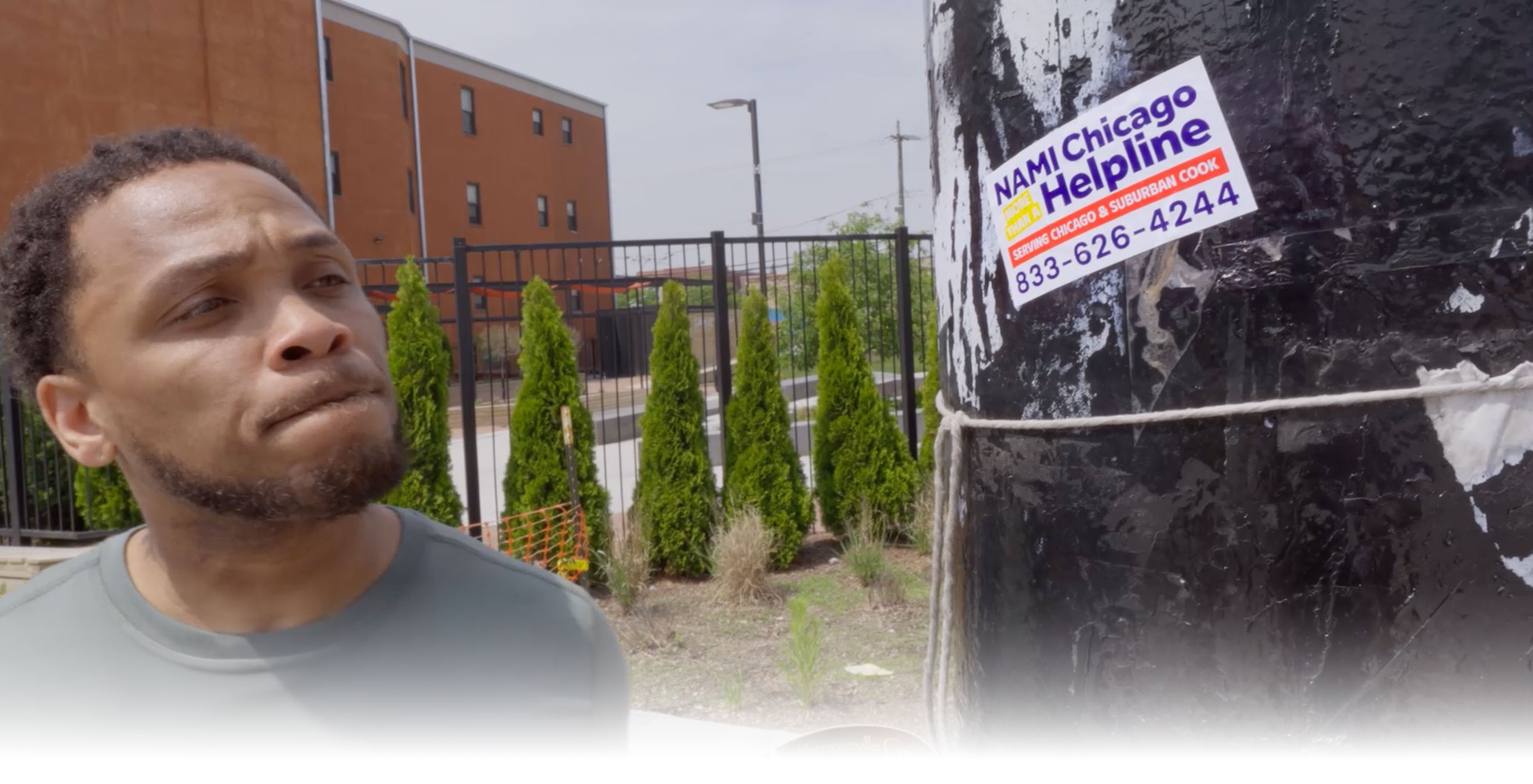
The Challenge. The NAMI Chicago Helpline faced a challenge familiar to many mission-driven organizations – driving a future behavior in a crowded landscape. Many priority audiences were unfamiliar with both the Helpline and NAMI Chicago, unsure when it was appropriate to reach out and overwhelmed by a growing number of support options, including national hotlines and local services like 211 and 311. Because help-seeking often happens during a future moment of need rather than immediately after exposure to a message, the campaign had to build familiarity, reduce uncertainty and make the Helpline feel approachable before support was urgently needed.
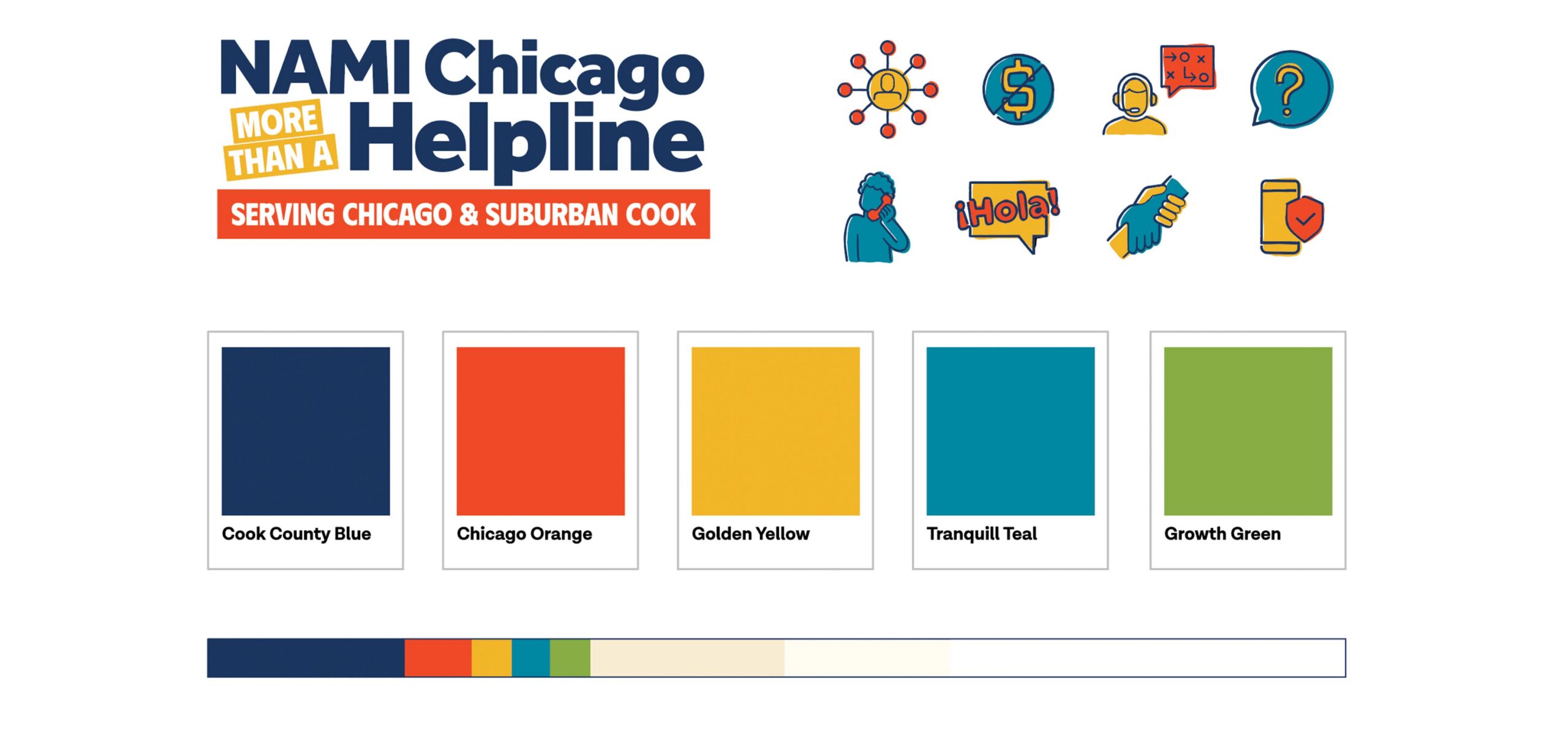
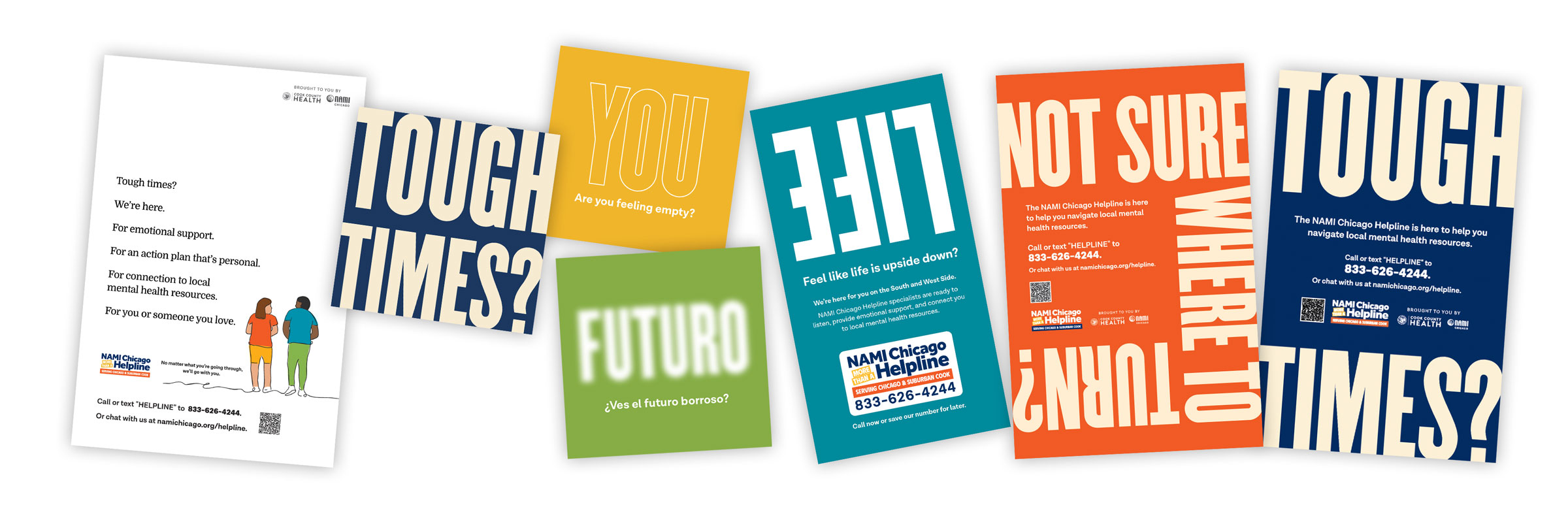
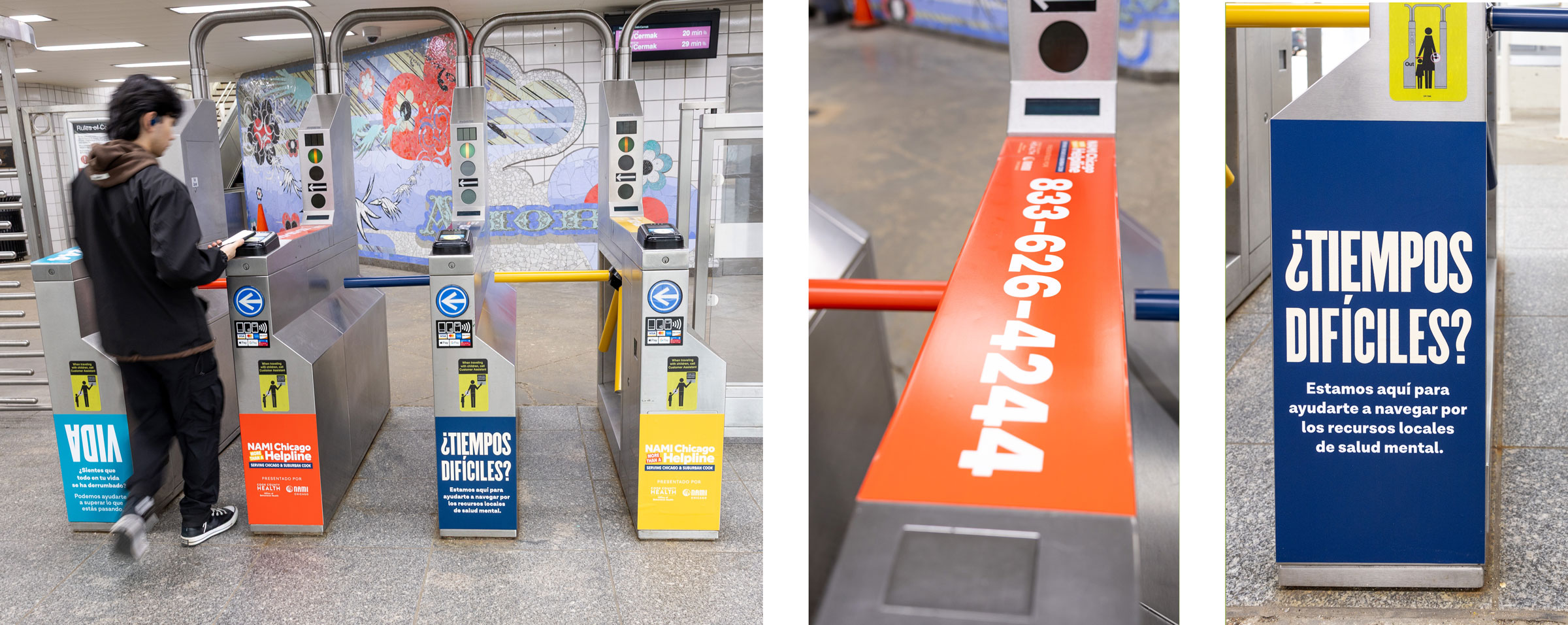
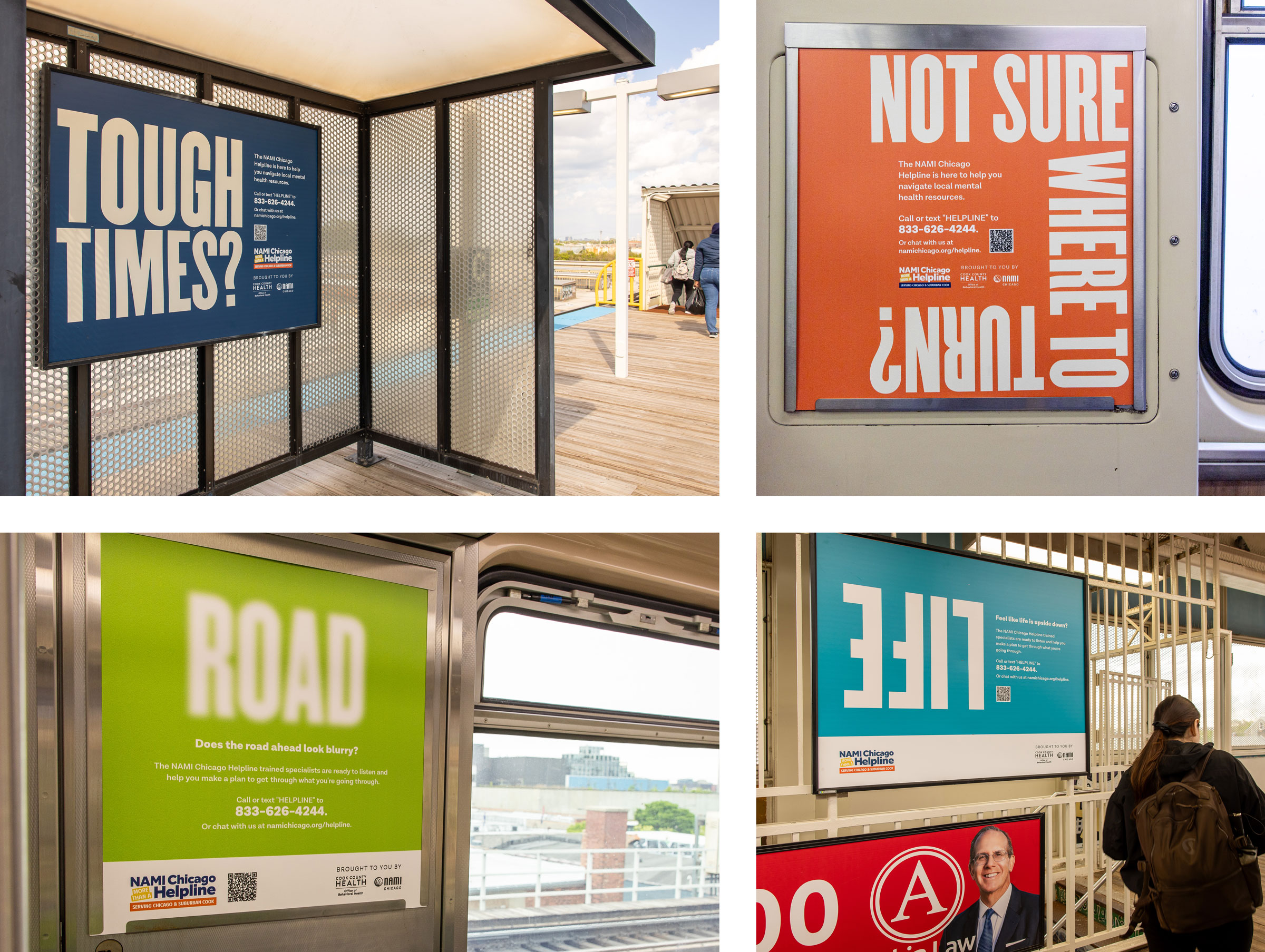
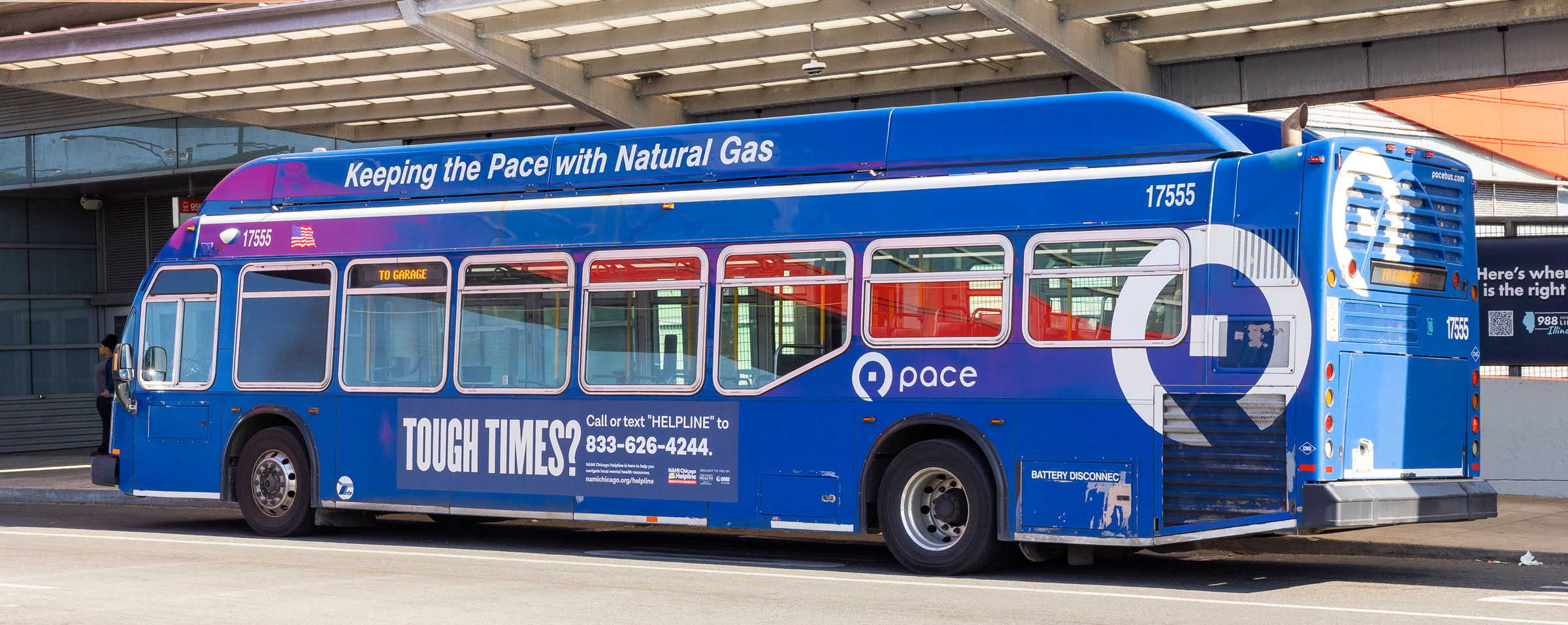
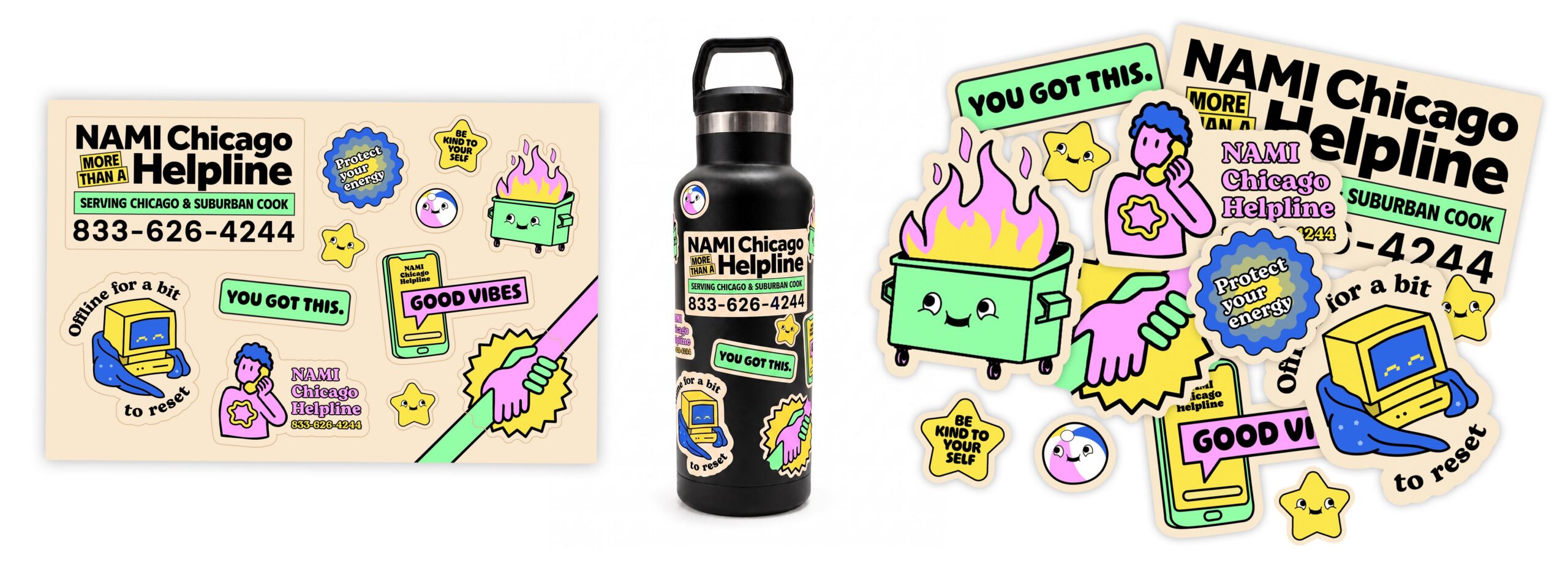
Our Approach. Guided by focus group and survey research, Marketing for Change developed a localized brand and multilingual behavior change campaign designed to make reaching out feel easier, more relevant and more approachable. Our strategy focused on clarifying who the Helpline is for, what callers can expect and the tangible support available before, during and after an interaction. Through culturally relevant creative, local storytelling and clear examples of when to seek support, we positioned the Helpline as a trusted resource for everyday mental health challenges – not just moments of crisis.
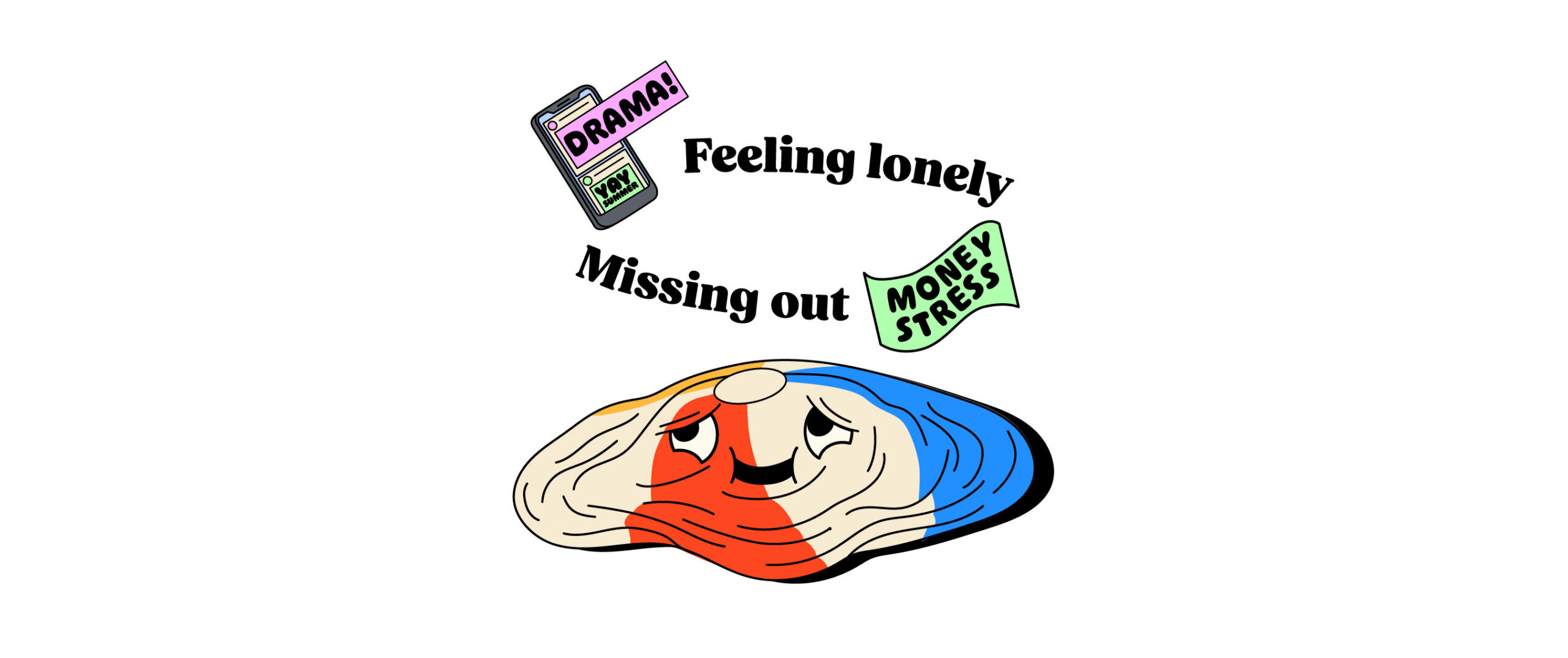
Behavioral Insights. Our approach was grounded in behavioral science. Research revealed that uncertainty, low self-efficacy, perceived stigma and choice overload were preventing people from seeking support. To address these barriers, we increased callers’ sense of control by explaining exactly what happens during a Helpline interaction, built confidence through relatable examples of reasons to call, highlighted the practical and ongoing support available and used community voices to reinforce that the Helpline is a trusted resource for people like them.
Results. The campaign delivered what mattered most – more people reaching out for support. In the first year, NAMI Chicago’s Helpline saw a 70% year-over-year increase in call volume, connecting significantly more residents to mental health resources when they needed them. More than 60,000 users visited the Helpline website – a 30% increase from the previous year – while campaign media generated nearly 49 million impressions and reached more than 754,000 Black and Hispanic residents in priority South and West Side communities. Building on this success, NAMI Chicago expanded the campaign in year two with tailored outreach to youth and older adults, generating more than 1.3 million impressions in the first month alone.