Trust is Personal. Your Creative Should Reflect That.
What role does creative play in building trust these days?
I was asked this question as a panelist at the 2026 Mid-Atlantic MarCom Summit earlier this month.
Initially, I struggled to find an answer. Because I don’t think there’s one answer.
Today, we have many options for where we place our trust. The host of the top-ranked podcast. AI chatbots. The streamer with whom we’ve built a parasocial relationship.
Some people find this terrifying and are challenging the general public to question: who should be the authority on information? What should be seen as a reputable source?
But trust has always been shaped by more than credentials and credibility. It’s earned through deeper psychological factors. And those factors differ depending on who you are.
We trust people and entities that feel familiar, share our values, belong to our group, and make us feel understood. That’s why studies have shown that we decide political candidate credibility based on their faces, and can be swayed to support policies we don’t believe in as long as they come from “our group.”
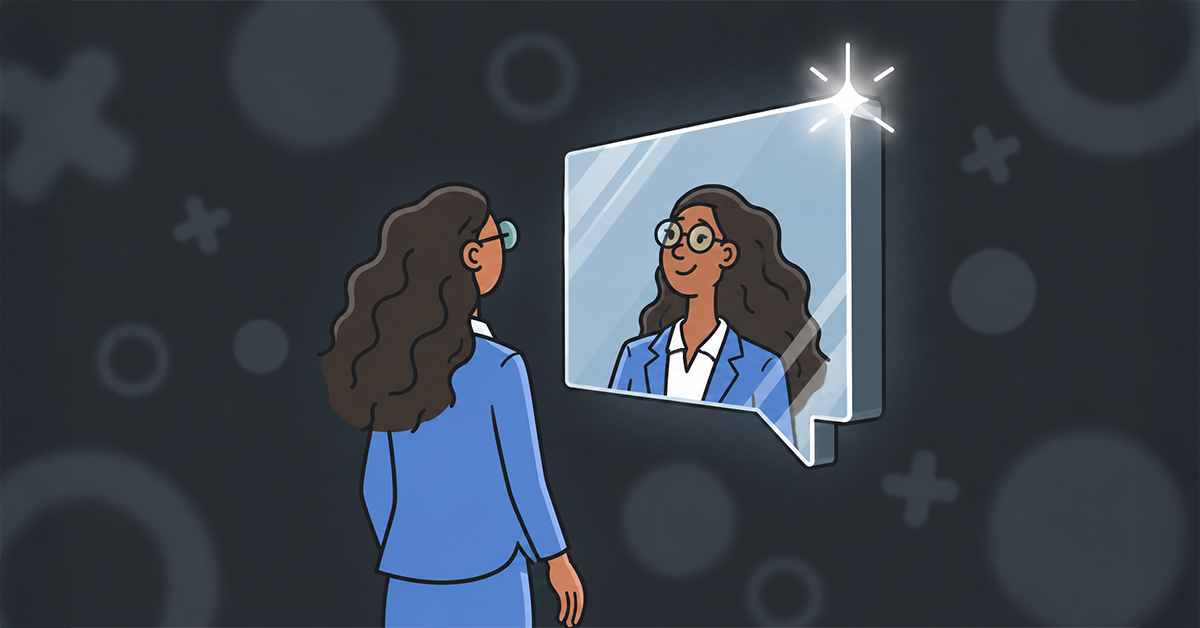
In creative, building trust is about building custom trust experiences for your audience. That’s especially true for behavior change marketing. We’re often asking people to do something they’ve never done before or to stop doing something that is routine. Designing a custom trust experience can make the behavior feel doable, rewarding, and realistic for “someone like me.”
For example, if insights suggest that your audience will trust a messenger who’s just like them, don’t use your creative budget to produce a slick ad delivered by a model on a glitzy set. Hire a content creator to sit on their couch, in a house that looks similar to that of your audience, and deliver lines that feel like a message from a friend. Here’s an example from an early learning workforce recruitment campaign that our team led. We knew that the audience needed to hear the benefits for people like them, and see proof that they already had the skills to do the work. This user-generated style checked all the boxes.
Another example – maybe your audience places trust in people who are nothing like them. Maybe they want to hear from people who are living the life they want to live someday – an aspirational messenger. In that case, use your creative to do some world-building. Paint a picture of what life could be like for your audience if they adopt a certain behavior – more quality time with family, more peace of mind, etc. Here’s an example that paints a picture of what school can look like when teens spend less time on their phones and more time engaged with each other.
Creative development is the phase of the marketing process where custom trust experiences can be built really well. But the creative must tap into those deeper psychological factors.
How do you do that? If feasible, through research. And I don’t mean research that simply aims to uncover which message an audience prefers or who they’d like to see as a messenger. You’ll want to unveil the audience’s deep-seated values and the visions they have of who they are and who they want to be. See guidance on how to do that in some of our free research resources.
If you don’t have the opportunity to conduct robust research, something is better than nothing. Speak with experts who know your audience well or engage in informal conversations. Your creative will be better informed and well-positioned to build trust precisely how your audience likes it served.

Meisha Thigpen is Creative Director at Marketing for Change.
Sign Up
Get insights to help your cause delivered directly to your inbox once a month.